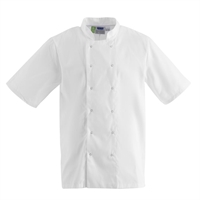
Buying a Chefs Jacket
Finding the right chef jacket can improve personal comfort by keeping you cooler for longer and potentially cut uniform costs in the long run. This makes asking the right questions before you buy vital. Unlike other pieces of catering workwear, what to consider is different too.
For example, you don’t need to worry about how easy to iron the chef jacket is if you work in a steaming hot back of house kitchen all day. You do need to think about if your chef jacket is practical enough to accommodate your catering workstyle whilst protecting you at all times. Your new chef jacket is well worth a thoughtfully considered investment as your first line of defence.
Our detailed buying guide will talk you through:
Use the quick menu above to jump ahead to the section you need.
SHOP ALL CHEF JACKETS
WHAT TO CONSIDER BEFORE YOU BUY A CHEF JACKET
Whilst your budget is a big deciding factor in buying your chef jacket, other aspects should be considered over price.
Style, Comfort and Cut
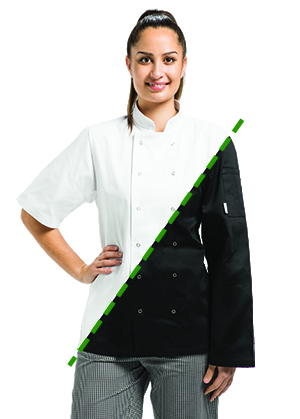
Consider which style chef jacket suits your role best. More traditional, thicker cut chef coats finished with French cuffs are designed to look formal for a high-end appearance. You may prefer a more casual lightweight style - whatever your preference keep company preference as well as your own personal taste in mind.
Spaciousness in a chef jacket is big advantage to your working day too. Your chef jacket needs to sit comfortably on you without restriction as ease of movement is essential to your working day.
Function & Durability
Your new chef jacket needs to retain its shape, colour and handle industrial laundering well. Since a chef jacket is designed to protect you, it’s important the quality will last after months of use.
It's important to think about if you need a lightweight chef jacket. Especially if you are working in extremely hot, humid conditions. For a colder working environment a thicker cut chef coat could be better.
Fabric & Breathability

Each material has its advantages and disadvantages depending on where and how often you work. Fabric weight is an important factor to consider when buying a chef jacket. An easycare and extremely lightweight chef jacket is excellent for daily washing. A denser fabric weight will give your chef jacket more of a premium look and is generally more hard wearing.
The type of fabric blend is important to consider too. Polycotton is easy to care for and polyester dries quickest, whilst cotton is best for your skin. A high quality chef jacket will have dedicated air ventilation or moisture wicking panels. These are essential for allowing your skin to breathe easily, particularly in non-cotton chef jackets.
Details
The finish quality of a chef jacket is just as important as the overall design used. The fastenings used will help keep your chef jacket securely in place. Do you want easily replaceable, waterproof plastic studs ? Or maybe you prefer hand-rolled cloth buttons. Metal poppers are another alternative, highly effective for quickly changing in and out of your chef jacket.
Collar type is important too. A high-neck collar on a chef jacket is more traditional, but a low neck collar is more comfortable with a chef neckerchief. Some chef jackets have an apron clasp stitched to the back of the collar. This is helpful is you wear a traditional bib apron day to day, but not so much if your apron is more of a dungaree style. An apron clasp helps to keep bib style aprons firmly in place all day.
Pocket detail is another aspect of your chef jacket to consider. How many pockets does your chef jacket need to have – if at all? Once you know, it’s best to think about the placement and size of the pockets. Slimmer arm pockets are ideal for holding pens and thermometers. A wider pocket is best suited if you work between back and front of house and carry around notepads and digital devices.
Double or Single Breasted
Why is a chef jacket double breasted? As an executive or senior chef, the traditional double breasted style is very important as it allows you to quickly flap over the dirty side of your chef jacket to the clean side. This is key if you work in an open kitchen and are customer facing most of the day.
Double breasted chef jackets also provide a double layer of protection from potential splashes and burns. A single breasted chef jacket has the benefit of being lighter (as less material is used in construction), and is ideal if your role is less messy than a conventional chef.
What Is The Best Sleeve Length For A Chef Jacket?
The length of your sleeves depends on a few factors. The longer the sleeve, the more protection you have from burns and hot splashes. The shorter the sleeve, the cooler you’ll stay under hot working conditions.
Remember, longer sleeves can be rolled up but they mean more fabric to wear in hot conditions. If you’re undecided about which to opt for, a great compromise is the three-quarter length style sleeve.
WHAT DO CHEF JACKET COLOURS MEAN?
White Chef Jackets

It used to be that the colour of your chef jacket was a reflection of your position in the professional kitchen. Many executive chefs wore black chef jackets to signify their status. This is no longer a trend across the industry. So why are most chef jackets white? Modern chefs prefer to stick with white as it deflects heat unlike darker colour chef jackets, and is easier to bleach if necessary.
More than just a traditional symbol of cleanliness, white chef jackets are especially beneficial to pastry chefs as they hide stains from flour and other powdered ingredients. This also works in reverse. For prep chefs, grills chefs and any other chef, a white chef jacket helps to highlight staining making cleaning the chef jacket easier – as it is obvious if dirt has been removed thoroughly or not.
Coloured Chef Jackets

Whether you choose to wear a coloured chef jacket or not comes down to a specific criteria:


Style
Should You Buy A Male, Female or Unisex Chef Jacket?
Unisex chef jackets are the most common type of chef jacket and practical to work in, so what’s the difference with gender specific chef jackets?
In a female inspired chef jacket, the shape is generally tapered closer to the body to provide a slim fitting appearance. This doesn’t mean the jacket is designed any differently though. Some brands like Chef Works specify the difference in cut with a handy fit guide:

TIP: How to Measure Yourself for a Chef Jacket. Follow the helpful instructions below to measure yourself for the correctly fitting chef jacket.


Chest / Bust
Measure over clothes when sizing coats.
Measure around the fullest area of chest/bust and underarms.
Keep tape straight and level.
Waist
Measure just above your hip bone, just a bit above your belly button.
Breathe comfortably, don't hold your breath.
Inseam
Measure straight from the base of your crotch seam to your shoe top.
Style
Modern or Traditional?

Traditional chef jackets are elegant, made from durable thick fabrics and made in formal fashion for a crisp suit like look.
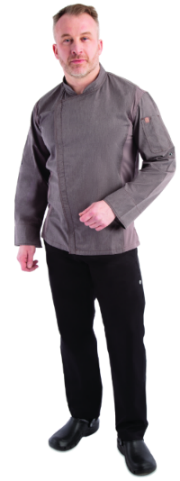
Contrastingly, contemporary chef coats are popular because of a more relaxed fit, and often take the form of a casual shirt (dropped shoulders, modern fabrics, sports jacket style zipper fastening) to fit in with the relaxed nature of urban dining interiors.
So, which is right for you?
Like coloured chef jackets, buying a modern chef jacket depends on brand style within your business. Before you buy consider the following points:
MATERIAL DETAIL & STITCHING
Like most staff workwear, chef jackets can be made from a huge variety of materials making it important to check wisely before choosing yours for a lasting choice. For a full list of benefits of each material, view our Buying an Apron Guide.
Polycotton Chef Jackets
Polycotton is one of the most popular modern materials for chef jackets, thanks to its versatility. A blend of polyester and cotton (most commonly 65% cotton, 35% polyester but always check the label), polycotton is easy to care for and usually washes well as low as 40 °C. The polyester part of the fabric blend often means polycotton chef jackets dry close to, or completely wrinkle free. Other variations of polycotton include cotton polyester – a similar fabric with a higher cotton content for a softer, more breathable fabric.
100% Cotton Chef Jackets
As a natural material exposed to the elements, cotton is strong and the most skin friendly fabric for wearing during long periods. The fibre construction of the plant means the fabric is excellent for breathability – an essential requirement in any sweltering, steamy kitchen.
Polyester Chef Jackets
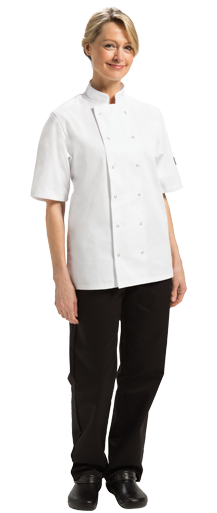
Polyester is a lightweight and crease-free fabric, ideal for chef jackets because of how quickly it washes and dries in time for your next shift. A highly adaptable man-made fabric, polyester is cheaper to buy than cotton and gives great value for short-wearing periods in the professional kitchen. Polycotton chef jackets are an ideal balance between polyester and cotton chef jackets.
100% Cotton Denim Chef Jackets
Elevate your kitchen style with lightweight denim, also known as cotton denim, made to accommodate your every move. Whilst raw denim is known for its stiffness and thickness, the denim used for chef jackets is often treated for elasticity and softness using an enzyme wash.
Egyptian Cotton Chef Jackets
Get ready for the dinner rush with the softest, most robust and luxurious long-lasting fabric used in chef jackets worldwide. Although a higher price point, fine Egyptian cotton more than compensates for its cost with unbeaten quality. Some chefs say an Egyptian cotton chef jacket is the best chef jacket available. The significant difference you feel between Egyptian cotton and other cottons is the sourcing process. Unlike mechanically mass picked cotton, Egyptian cotton has a higher level of purity as it is hand-picked to ensure the fibre is intact and stays straight.
Because of this, Egyptian cotton has higher resistance to stress. This picking method also contributes to Egyptian cotton fibres being exceptionally strong, more so than any other cotton currently known: guaranteeing a long lasting chef jacket with minimal rips or tearing. These strong fibres are also more porous than other cottons, so when you sweat it is easier for the fabric to redistribute the moisture away from your body. Egyptian cotton’s porous nature also means that when it is colour dyed the chef jacket is not only brighter, its vibrancy remains for longer than other cotton based fabrics.
Specialist Performance Fabric from Chef Works
Super Combed 120 Cotton

This premium 100% cotton fabric is combed to remove shorter fibres which results in finer, stronger and softer cotton. It’s breathable and comfortable to wear, which is why many executive chef jackets are made from it.
Award-Winning Cool Vent™ Fabric
Chef Works Craft Guild of Chefs approved Cool Vent™ fabric is a heat and moisture wicking fabric made to keep you cool. Designed to dispel hot air even in the hottest kitchen, the fabric encourages evaporation of heat away from the skin to keep you feeling not too hot and not too cold. The fabric is comfortable, stretchy and super lightweight to help you stay dry during your shift too.
Fine ‘Lite’ Twill Fabric
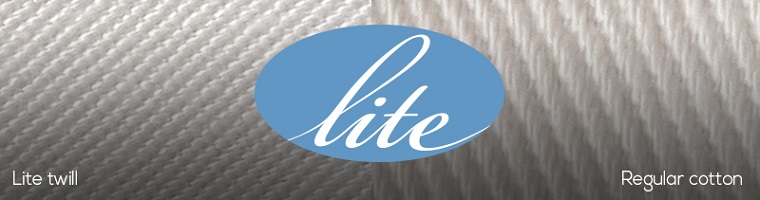
The ‘Lite’ fabric from Chef Works is a regular cotton material that stops you being weighed down by your chef jacket. At only 159g, the fabric is far lighter than many 210g chef jackets and is well suited to environmentally conscious individuals as it uses less water to wash. Its smooth texture and soft appearance give you an excellent quality chef jacket.
Which chef jacket fastening type should you go for?
Chef Jackets With Zippers
Efficient and fast, zips are ideal for quickly getting in and out of your chef jacket. Zips also give your chef jacket an athletic look, particularly when paired with a lightweight material. Zipper chef jackets offer a secure, modern fastening alternative to the traditional button up chef jacket.
Plastic Fastenings
Waterproof and lightweight, plastic studs are a great choice for style. They are easily manufactured in a wide variety of colours and universally suitable for any chef jacket with stud holes. Be cautious to take them out of your chef jacket before a high heat wash to stop them warping.
Whites Chicago Long Sleeve White Chef Jacket | Nisbets Chef Jackets
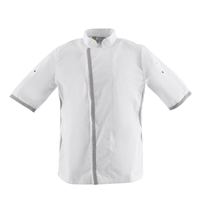
Designed for commercial laundering, Whites’ lightweight long sleeve chef jacket looks professional and protects you with practical detail for the modern kitchen.Chef Jackets With Snaps
For busy workers, sew or press on steel stud buttons for chef jackets are an essential time saver. Allowing you to quickly get to work, studs quickly secure the chef jacket and add metallic style to your work outfit. In the emergency event of a fire, they also helps you quickly take your chef jacket off and avoid burns.
Hand Rolled & Knotted Cloth Buttons
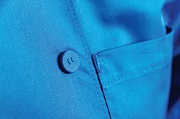
Originally chef jackets have been secured with soft knotted cloth buttons for a few reasons. Firstly for safety, the fabric stops heat being transferred through to the body unlike conductive metals – a great option in case of hot splashes that could burn you. Secondly, their meticulous hand rolled nature means these are perhaps the most durable of all chef jacket fastening types, as they don’t lose form and sag. Cloth fastenings also survive wash cycles better than other chef jacket fastenings. Aesthetically, hand rolled cloth buttons also have a premium quality look and feel thanks to their weight and a hand finished touch.




Other Details To Consider Before Buying
Single Stich Vs. Double Stitch
A double-needle stitched chef coat has more durability as the seam has been reinforced to resist tearing for longer.
High Collar Vs. Collarless Chef Jacket
With the rise of modern chef shirts and even collarless chef jackets, you may be questioning the importance of a collar on your chef coat. A collar on your chef jacket will help prevent burns to your collar bone and neck area.
Although chef neckerchiefs may seem a novel kitchen accessory today, their traditional function was to stop burns and sweat from chefs reaching cooked food. In some professional kitchens, this safety measure is still wisely practiced.

Shoulder Drop
The cut of your chef jacket makes all the difference in the heat of the professional kitchen. Working in an environment filled with urgency, endless steam and potential safety hazards everywhere means each move counts towards your safety.
Think about the amount of times you reach up to grab a cooking utensil or crouch to search for the right ingredient in the fridge during a shift. This is where the vital design functionality of the shoulder feature on a chef jacket comes in. Not only does it add modern style, but a dropped shoulder on a chef’s jacket affords you better freedom of movement. If you choose to go for a more traditional chef coat with stiffer high-rise suit shoulders, ensure there is plenty of space for flexible movement.
Apron Back, Sleeves & Cuffs
Our chef jackets aren’t magic, but they can certainly be helpful. Many Chef Works and Whites chef jackets have a handy apron clip tab on the back of the collar or yoke to help hold your apron firmly in place.

The chef jacket cuff tabs also help hold rolled up sleeves in place with a simple clipper mechanism, to stop you constantly pushing your sleeves back. Not only is this convenient, it also allows you to roll down clean long sleeves in customer facing situations. For a more sophisticated, high-end look you may prefer to go for the traditional upturned French cuff style sleeves.
Fabric Weight
Think the fabric weight of your chef jacket makes no difference? Think again. The fabric weight of your chef jacket can change the appearance of the garment, the way it feels after long periods of wearing, and even the overall quality of how long the chef jacket lasts.
Just because a chef jacket is lightweight, it doesn’t mean it’s bad quality however. Some of our lighter chef jackets are the most popular amongst customers. The Nevada black and white unisex chefs jacket (A928) is a modern medium weight polycotton blend fabric at 190g/m² and has a variety of positive customer reviews.
To shop by fabric weight, use the 100 - 199g/m² and 200 - 299g/m² filters on our site.
Pockets
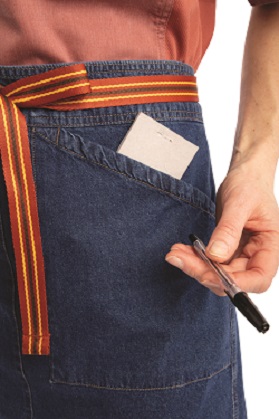
It’s easy to forget about pockets and pocket placement when purchasing a chef jacket, but they’re pretty important. Pockets help free up your hands and provide necessary storage space. Modern chef jackets don’t just have pockets, they have utensil or stationery specific pockets. Look out for slimmer arm pockets for work tools such as food thermometers, tasting spoons or pens if you’re a front of house member. Breast pockets are ideal for pinning staff name badges to. Or, if you have an iPad or notepad you use daily look out for wider pockets.
Chef Jackets With Name Embroidery & Flags
Personalising your chef jacket is fast and easy with Nisbets. When you buy your chef jacket online, there is a link that reads 'Personalise this product' in the basket screen. To get your chef jacket embroidered with collar flags or text, simply follow the instructions on screen or watch our handy video below. We offer:
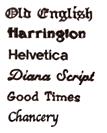 Standard typefaces: Standard typefaces:
|
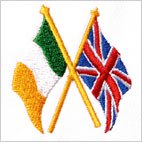 Crossed flags: Crossed flags:
|
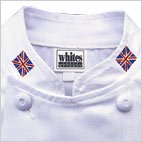 Collar flags: Collar flags:
|
Read more about personalising a chef jacket with your company logo here.
Embroidery at Nisbets
How to get your chefs clothing emboirdered at Nisbets.CHEF JACKETS BY BRAND
Whites are well known for their affordable unisex chef jackets. There are so many styles to choose from including short sleeve, long sleeve and double breasted chef jackets. But most importantly every piece is durable. And as there’s a lot of choice you’ll find a style suited to all the different stations in your kitchen, including your front of house staff.
You’re not limited to chefs jackets though. The Whites collection covers everything from bib aprons to protect your clothing to functional chef trousers , so you can buy full uniforms for your team from one place. Make the right first impression with Whites ergonomic chef clothing.
Premium chef wear brand Chef Works have been long established as a quality kitchen uniform provider. Their unique chef jacket and chef coat creations are inspired by real life chefs from around the globe and developed using chef feedback. With award-winning fabric technology invested and used in their chef jackets, it’s no wonder every level of chef from new line cook to executive head chef choose them. Pick from their edgy, street-inspired Chef Works Urban range or classic Chef Works styles.
We also stock Chef works trousers, aprons, neckerchiefs and headwear.
HOW TO CLEAN AND CARE FOR YOUR CHEF JACKET
Like any piece of workwear your chef jacket will require regular laundering and attention for its maintenance. Investing in your chef jacket upkeep will make the quality of your chef jacket serve you better and for longer. Take the steps below to care for your chef jacket properly:

- Always check the instructions and washing symbols on the care label of your chef jacket first to avoid damaging the jacket
- Remove thickly encrusted food residue by scraping them off with a blunt kitchen utensil, such as a tea spoon or plastic knife
- For stubborn stains, such as sweat or dark carbon marks from oven cleaning, mix a small amount of oxygen-based detergent or baking soda with cold water to make a thick paste. Use a small brush (such as a toothbrush) with the paste mixture to scrub the stain out
- Apply the same pre-wash detergent paste to the affected areas of lighter stains on the jacket to help stains lift from the jacket before washing. Dabbing lighter stains with a damp cloth can help to ease them out of the fabric
- Soak your chef jacket in lukewarm water if necessary for up to 2 hours to remove set in stains such as blood. Do not use hot water as this will encourage the stains to stay in the fabric, making them harder to remove
- Wash the chef jacket on a full wash cycle with detergent and fabric conditioner if required. A good general rule of thumb is to wash your chef jacket at 40°C, but always check the washing instructions and jacket material - some detergents give great results as low as 30°C whereas some materials need a hotter wash
- Allow your jacket to dry naturally, or tumble dry on a low setting if the material is suitable
- Some chef jacket materials like polyester and certain polycotton blends dry wrinkle free. If it dries with wrinkles, how do you iron your chef jacket? Iron it on a medium-high setting. If you don’t have an iron, use a large glass bottle filled with hot water and roll it back and forth over the material to achieve a smoother look
Please note however that for a crisp chef jacket look you will need starch or steam the jacket to fully remove all wrinkles. If you don’t have a steamer, hanging your jacket in steam filled room, such as the bathroom, also works.
TIP: All of our chef jackets are suitable for industrial scale commercial washing and drying. In practice this means the fabric and fastenings can withstand commercial laundering up to 65°C. The fastenings on your chef jacket should be easy to remove if they’re not suitable for washing. Only bleach your jacket if suitable to do so and as a very last resort as it can weaken fabric fibres and even stain. Always check the care label first.