
Buying Commercial Cleaning Products
There is a product for every cleaning job, from washing clothes to cleaning floors and the choice of brand, capacity and strength can be overwhelming. This guide should help you discover which cleaning products are right for you.
WARNING: Please be aware that the cleaning chemicals on Nisbets' website are for professional use only.
SHOP ALL CLEANING EQUIPMENT NOWDETERGENTS
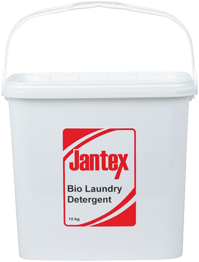
Detergents that contain enzymes which will degrade protein-based stains are known as biological (bio) detergents and are a common element in washing powder. Chef’s whites and staff clothing can become dirty with sweat and food stains (protein-based stains) which can be hard to remove – a biological detergent is an extremely effective product for cleaning these types of fabrics, breaking down stains and removing dirt. Bio detergents are most effective in a 50°C wash, but provide similarly effective results at lower temperatures.
A cleaning solution without these enzymes is called a non-biological or non-bio detergent, which provide slightly less effective cleaning results, but don’t cause any irritation to skin. People suffering from sensitive skin, eczema or other skin conditions may find non-bio detergents preferable.
SHOP ALL DETERGENTSWASHING
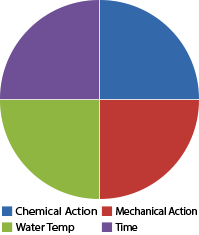
There are four factors that will influence the effectiveness and efficiency of washing;
- Chemical action is achieved by the type and amount of detergent you use.
- Temperature plays a major role in cleaning – heat is needed to cause chemical reactions, so the colder the wash, the less efficient and effective the detergents become.
- Time can be altered to accommodate different types of washing - a shorter wash gives the chemicals less time to react and work.
- Mechanical action is the movement of fabrics against each other - the more a machine spins the more friction is created that helps lift stains and dirt.
All four of these factors must be taken into consideration when washing fabrics and clothing, as reducing one will result in you needing to increase another to achieve the same results.
If one of these key cleaning factors is reduced, then others will need to be increased to compensate. For example, if the temperature is reduced to a 30°C wash, the chemical reaction is less intense, resulting in the detergents being less effective; meaning more time and friction will be needed to achieve similar results.
ENVIRONMENTALLY FRIENDLY PRODUCTS
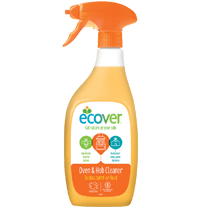
Ecover make a wide range of effective cleaning products from laundry detergents to floor cleaning products, using plant and mineral based ingredients that provide great cleaning whilst remaining friendly to the planet.
As well as being free of harmful chemicals, Ecover also use recycled plastic to make their packaging, helping to create sustainable and future friendly cleaning products.
FLOOR CLEANING PRODUCTS
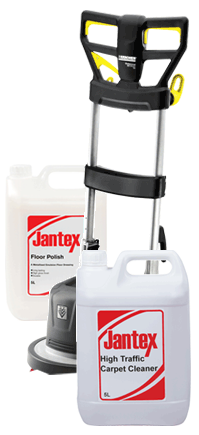
Stripping - Some floor stripping solutions foam too much for use in machines, so ensure you check the bottle when purchasing if you intend to use the solution with a machine stripper. Stripping can be the most labour intensive task when maintaining floors, so ensure you have comfortable and quality equipment that will speed up the job.
Polishing - Check the type of flooring you want to polish as the type of polish you use will depend on the flooring. Floors with a polyurethane finish need to be polished with water based urethane polish, whilst other flooring needs a wax-based polish. Use a microfibre cloth to apply the polish, working from the innermost corner of the room, toward the opposite edge, covering 3x3 foot sections at a time. This way you can be sure to get an even finish. Polishing machines can also be used to give floors that gleaming finish, these save you time and can be a lot easier to use. Always ensure the floor has had a chance to dry before putting any furniture back on it.
Shampoo - Using a carpet shampoo can help lift dirt and remove stains. Carpet cleaning machines help to speed up the cleaning process, but can be expensive for use in smaller areas, so consider the size of the space you want to clean before purchasing. Wet and dry vacuums are a great way to clean up residue after cleaning, sucking up wet and dry debris, leaving carpets clean and dry.
SHOP ALL FLOOR CLEANING SUPPLIESKITCHEN CLEANING PRODUCTS
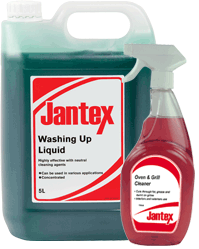
Multi-purpose sprays are a great way to clean multiple areas of your kitchen with ease. Containing fragrances that remove odours, as well as disinfectant chemicals that kill 99.9% of germs, multipurpose cleaners achieve hygienic and safe surfaces, equipment and appliances. The use of a single chemical on different areas of a kitchen can save you time and money.
Washing up liquids are an essential in any kitchen, removing grease, oils and fats from tableware, crockery and kitchenware. Washing up liquids work in a similar way to clothes detergents; containing hydrophilic and hydrophobic heads that attach themselves to protein-based stains, removing them from surfaces and holding them in the water. Keeping plates, cutlery and cooking equipment grease free is essential to providing a professional and hygienic service to your customers.
Oven and grill cleaners remove burnt on grease and food using powerful chemicals that dissolve fat and grease build-up, allowing you to easily scrub it off. Most of these cleaners come with a corrosive warning, as they contain acids that can be harmful to skin. Always check the labels when purchasing and wear protective clothing, such as gloves when using oven and grill cleaners.
STORING CLEANING CHEMICALS
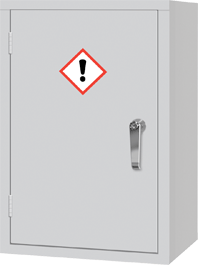
Keeping cleaning chemicals in a safe and secure location is essential to ensuring the safety of you, your staff and your customers.
- Ensure only trained staff have access to cleaning chemicals and products, and keep any storage containers locked when not in use.
- Provide good washing facilities near any stored chemicals, to reduce the risk of injury in the event of an accident. E.g. a sink for washing hands if chemicals come into contact with skin.
- Keep storage areas well ventilated - The HSE recommends 5-10 air changes per area with a through draught.
- Keep a spill clean-up kit nearby. This reduces the risk of injury or accidents in the event of a spillage.
The segregation of specific types of cleaning chemicals is integral to maintaining a safe storage space. Keep apart:
- Solid and liquid products
- Flammable and non-flammable liquids
- Acids and alkalis
- Wastes
View our helpful CHIP and CLP code sheet for more information on the dangers of cleaning chemicals, and what their labels mean.